
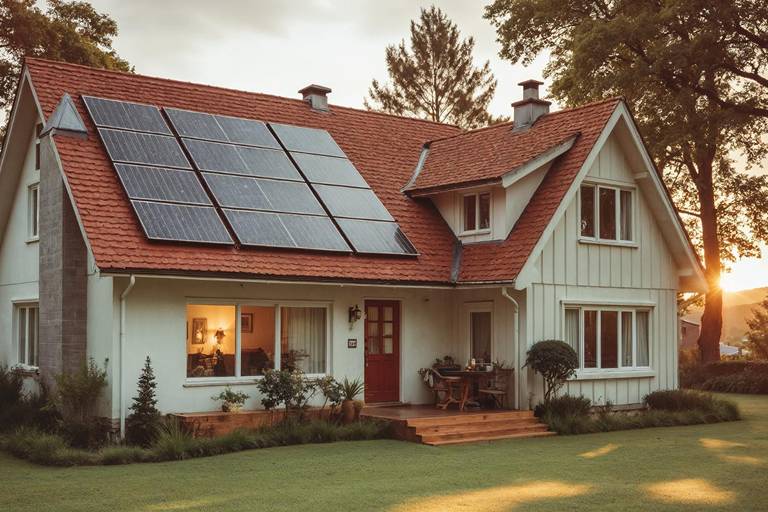
Choosing the wrong battery size is one of the most common and costly mistakes homeowners make when going solar. Too small and you run out of power by midnight. Too large and you paid for capacity you will never use. This guide walks you through exactly what to consider, so you can make a decision that fits your home, your budget, and your energy habits.
What Is Solar Battery Storage?
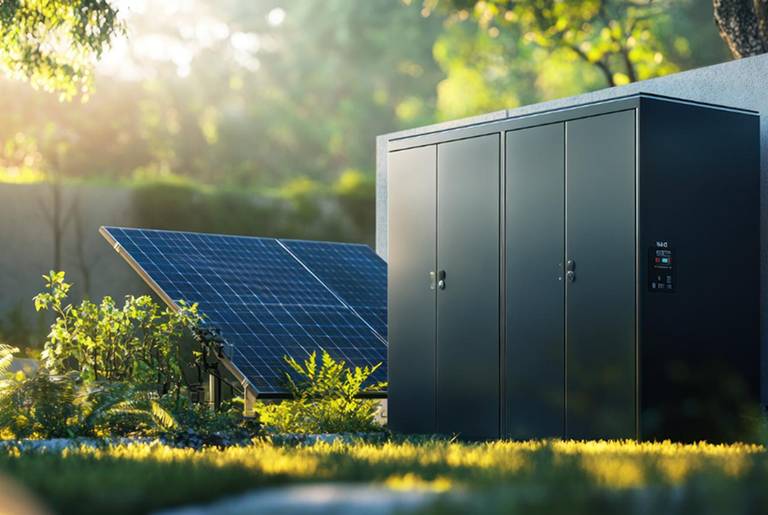
Before sizing anything, it helps to understand what is solar battery storage and what role it plays in your home energy setup. Simply put, it is a rechargeable battery system that stores excess electricity generated by your solar panels during the day. Instead of sending that surplus back to the grid, you hold onto it for use at night, during peak rate hours, or when the power goes out. That stored energy is what makes solar genuinely practical for around-the-clock use.
How Does Solar Battery Backup Work?
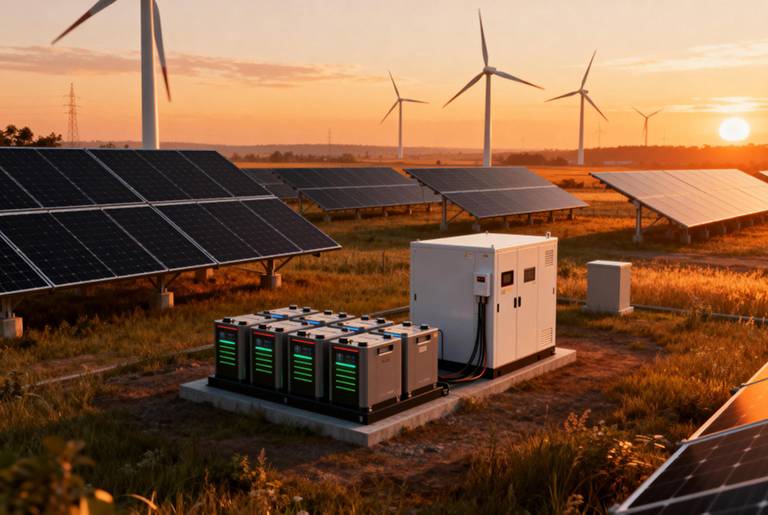
Understanding how does solar battery backup work is straightforward once you break it down. Your solar panels generate DC electricity, which your inverter converts to AC power for your home. Any excess is routed to your battery instead of the grid. At night or during an outage, the battery discharges that stored power back into your home automatically. Most modern systems, like the Bluetti AC500 or EcoFlow DELTA Pro, handle this switching instantly with no manual intervention.
This is why a properly sized home battery storage system matters so much. Undersizing it means your battery depletes before morning. Oversizing it means your panels may never fully charge it, leaving capacity wasted.
Step 1: Calculate Your Daily Energy Use
Start with your electric bill. Look for your monthly kWh usage and divide by 30. The average U.S. household uses about 29 kWh per day, according to the U.S. Energy Information Administration. But your personal number will vary based on home size, appliances, climate, and habits.
Here is a practical breakdown of typical daily loads:
- Refrigerator: 1.5 to 2 kWh per day
- Central HVAC: 10 to 15 kWh per day (seasonal)
- Lighting (LED): 1 to 2 kWh per day
- EV charging: 8 to 15 kWh per charge
- Water heater: 3 to 5 kWh per day
Once you have your daily kWh number, you know the minimum energy your home battery storage needs to cover a full 24-hour period without solar input.
Step 2: Decide What You Need to Power
Not everyone needs to run the whole house off backup power. This is where personalization really matters. Ask yourself: are you protecting against short outages, or planning for multi-day grid failures?
Knowing your priority loads helps you right-size your battery:
- Essential only: Refrigerator, lights, phone charging, medical devices. Budget around 5 to 8 kWh.
- Comfort level: Add HVAC, TV, and internet router. Budget 15 to 20 kWh.
- Whole home backup: Covers nearly everything. Budget 20 to 30+ kWh.
If you live in Florida hurricane country, Texas ice storm territory, or California wildfire zones, leaning toward a larger whole-home home battery backup system is genuinely worth the upfront investment. Power outages in those regions can stretch for days, not hours.
For homeowners who want serious backup power regardless of weather, our Best Expandable Solar Generator Starter Kits guide breaks down the top options tested for real-world emergency preparedness.
Step 3: Factor in Backup Duration
How many days of autonomy do you want? One day is the standard starting point, but two to three days is more realistic for serious preparedness. Multiply your daily essential load by the number of backup days to get your target capacity.
Example: If your essentials total 10 kWh/day and you want two days of backup, you need at least 20 kWh of usable battery capacity.
Keep in mind that most lithium batteries are rated at 80 to 90% depth of discharge (DoD). A 13.5 kWh Powerwall, for instance, delivers about 13.5 kWh of usable energy at 100% DoD. Lead-acid alternatives typically only allow 50% DoD, so you need to buy more capacity to get the same usable output.
Solar Battery Size Comparison Table
Use this reference table to quickly compare the most popular residential battery options:
| Battery Model | Capacity (kWh) | DoD (%) | Best For | Approx. Cost |
|---|---|---|---|---|
| Tesla Powerwall 2 | 13.5 | 100% | Most homes | $10,000 – $13,000 |
| Enphase IQ 10T | 10.1 | 89% | Small-medium homes | $8,000 – $11,000 |
| Bluetti AC500+B300S | 3.0 – 18.4 | 80% | Expandable / off-grid | $5,000 – $12,000+ |
| SunPower SunVault | 12 – 24 | 100% | High-use homes | $15,000 – $20,000 |
Home Battery Backup Without Solar: Is It Worth It?
You do not necessarily need solar panels to benefit from a battery. A home battery backup without solar setup charges from the grid during off-peak hours when electricity rates are lower, then discharges during peak-rate periods or outages. It is a legitimate strategy for people focused on grid resilience or utility bill management.
A home battery backup without solar system like the EcoFlow DELTA Pro or Bluetti AC300 can be charged via wall outlet and kept ready for emergencies. If you are in a region with unpredictable grid reliability, this alone may make it worthwhile.
That said, pairing your battery with solar panels significantly improves the return on investment and gives you true energy independence. And if you need a reliable fuel-powered companion for longer outages, our Best Dual Fuel Generators for Emergency Preparedness guide covers options that pair well with solar setups.
Seasonal and Climate Considerations
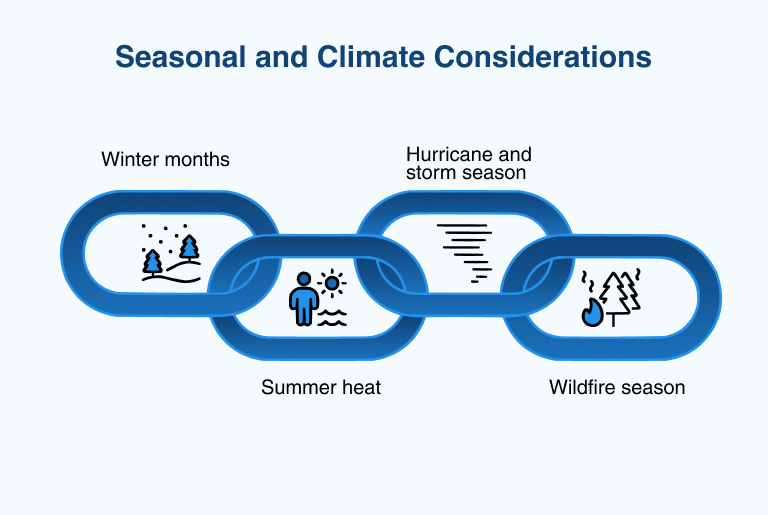
The season you live in matters more than most people realize. A home battery storage system in Phoenix, Arizona delivers a very different real-world performance than the same unit installed in Seattle, Washington. Here is what to account for:
- Winter months: Shorter days mean fewer solar charging hours. Size up by 20 to 30% if you live in a northern state.
- Summer heat: Extreme heat reduces battery efficiency. Units rated for wide temperature ranges (like LiFePO4 chemistry batteries) hold up better.
- Hurricane and storm season: From June through November along the Gulf and Atlantic coasts, grid outages spike. A larger home battery backup system provides real peace of mind during this window.
- Wildfire season: California and Pacific Northwest homeowners are increasingly using home batteries to ride out PSPS (Public Safety Power Shutoff) events that can last three to five days.
For outage alerts during severe weather events, having a reliable emergency communication device is equally important. Check out our list of Best Emergency Solar, Battery, Hand Crank Weather Radios to stay informed when the grid goes down.
The Role of Smart Home Integration
Modern home battery storage systems pair seamlessly with smart home platforms. If you are running Google Home, Amazon Alexa, or a dedicated energy management app, many batteries offer real-time monitoring, automatic charge scheduling, and load prioritization right from your phone.
This kind of visibility changes how you use energy. At Tech Evaluate, we find you can see exactly how much charge you have, set the battery to prioritize certain circuits, and get alerts when power production drops. Combined with the right emergency communication setup, a smart battery system turns your home into a genuinely resilient energy hub.


