
Imagine a fierce storm lashing out, crippling the electric grid, plunging your neighborhood into darkness. Would your home still bask in the warmth of natural gas heating, or would the cold creep in unchallenged? Is natural gas a reliable ally when the grid falters?
If the U.S. power grid is down, will natural gas still work? Natural gas will not work in all areas of the U.S. because of the power grid being down. Appliances like furnaces also need electricity for the blower motor. Using a gas or diesel generator or solar power can provide the electricity to operate these appliances during outages.
This article explores the delicate interplay between natural gas infrastructure and the power grid, explaining how homes are affected during electricity outages.
Can Home Appliances Run on Gas Alone During Power Shortages?
Recommended reading: What to Do if the U.S. Power Grid Goes Down and Power Backups and Their Importance for Emergency Preparedness.
According to an article by the Department of Engineering and Public Policy at Carnegie Mellon University, 10% of the United States interstate natural gas pipeline compressor stations depend on electricity, with several large pipelines quite vulnerable to electric outages.
“In contrast to well-established reliability reporting and standards for the electrical system, the gas system has almost no reliability transparency or oversight”
Co-author of U.S. natural gas pipelines vulnerable to electric outages – Engineering and Public Policy, Jay Apt, Professor Emeritus, Tepper School of Business and Department of Engineering & Public Policy, 2022- Present.
With 32% of the U.S. energy coming from natural gas supplies, those are pretty significant numbers.
Understanding how household gas delivery and appliance function can shed light on what to expect during a power outage. Many homeowners rely on natural gas for essential tasks like heating, hot water, and cooking, but not all gas appliances are created equal in the face of an electrical blackout.
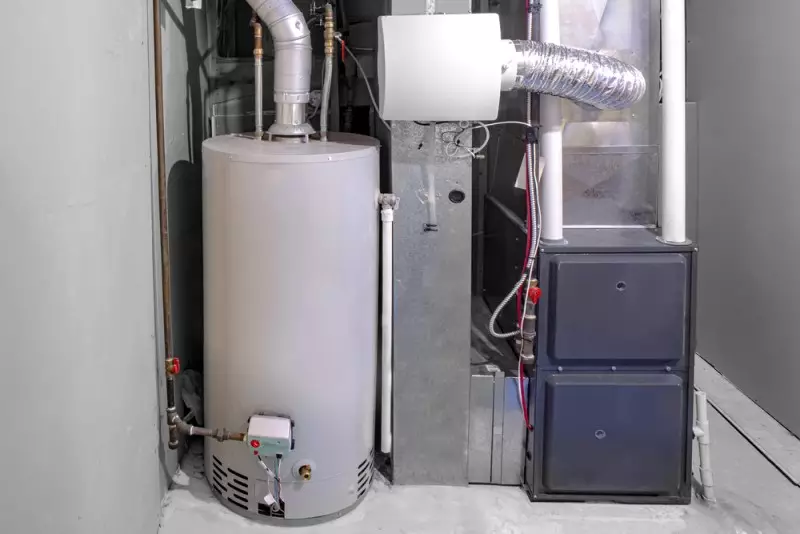
- Heating systems: Starting with heating, most gas furnaces need electricity to operate effectively. The fans that distribute heat and the circuit boards for thermostat communication are electric-dependent. Safety systems in place also prevent the furnace from operating during a power outage to avoid potential hazards.
- Traditional gas water heaters: As for water heaters, most contemporary homes require electrical power. Newer gas water heaters use electrical ignition rather than a pilot light and have electrically powered controls for temperature regulation. While water previously heated remains available, the heating process will pause until power is restored. Only a few, typically more expensive or very outdated models, can run without electricity by continuously using a pilot light.
- Tankless gas water heaters: These systems provide hot water on demand and are energy efficient, but still depend on electricity for their sensors and to prevent overheating. A battery backup could power these heaters for a limited time, ranging from minutes to longer, if a more advanced battery system is installed.
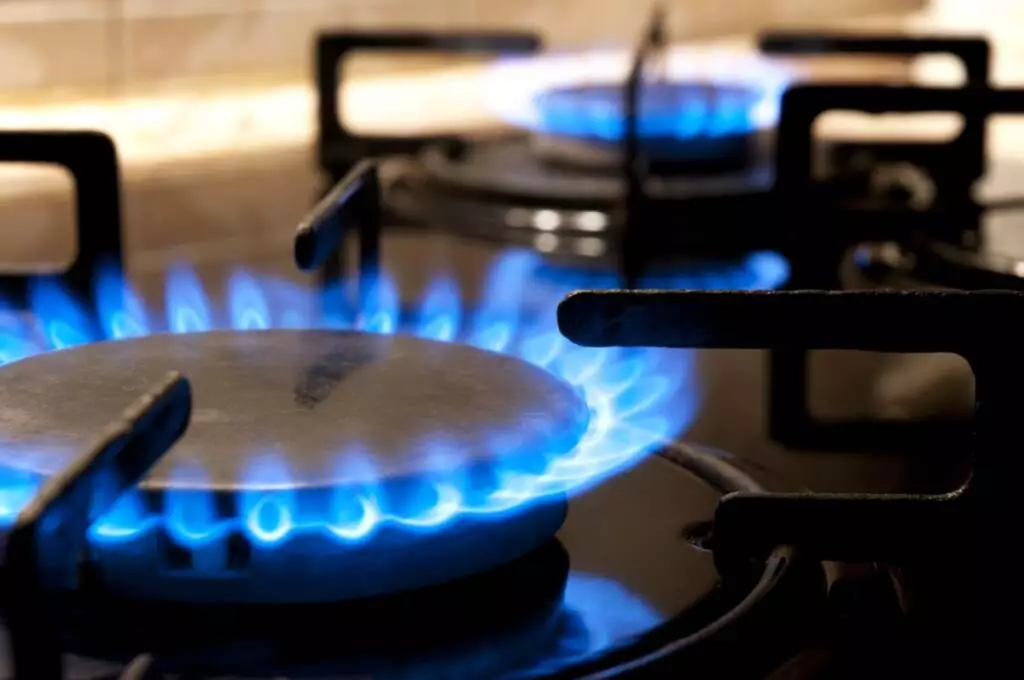
- Gas stovetops: Modern versions have more variability. While modern stovetops typically require electricity for ignition, many can still be lit manually with a match or lighter during an outage, provided they do not have a safety feature preventing this. Always consult the owner’s manual for the correct procedure.
- Gas ovens: Conversely, gas ovens usually cannot be started manually due to integrated electric ignition systems and safety features, leaving them non-functional without power.
- Gas fireplaces: Gas fireplaces are perhaps the most independent from the electric grid. Older models can be ignited by hand, and some modern units may work with a battery backup, but it’s crucial to check the owner’s manual for guidance on safe operation during a blackout.
How Is Our Natural Gas Supply Affected by Electrical Outages?
The intricate network that keeps natural gas flowing to our homes and power plants is more entangled with the electricity grid than one might realize. The United States counts on natural gas for 32% of its primary energy needs, with its role in electricity generation nearly doubling between 2008 and 2021.
Historically, the expansive network of natural gas pipelines crisscrossing the nation relied on the gas itself to power the system. Yet, a modern shift has seen portions of this system now dependent on electricity, notably at compressor stations that are crucial for pushing gas through the pipelines.
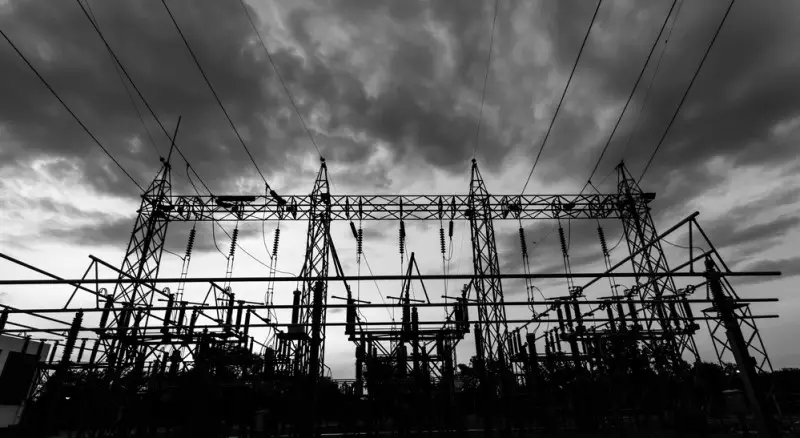
While the natural gas system has typically boasted greater reliability compared to the electrical grid, its growing reliance on electric power has introduced a new chink in its armor. This is clear during natural disturbances such as hurricanes or winter storms, which can knock out electricity and, consequently, the gas flow, leading to shortages.
Such an event occurred in Texas in 2021, where the interdependence of gas and electricity contributed to a catastrophic power crisis, resulting in over 200 fatalities.
Research spearheaded by Sean Smillie at Carnegie Mellon University highlights this vulnerability. It reveals that around 10% of U.S. compressor stations are powered by electricity and thus are at risk during power outages. Losing these electric compressors doesn’t just stop at the stations but ripples downstream, potentially leading to significant power generation loss.
In fact, the disabling of a single electric compressor station during peak demand could lead to a reduction in gas flow so severe that it might eclipse the largest single-unit electrical outages planned for in current reliability protocols.
The regional implications are stark; areas such as California, the Midwest, the Gulf Coast, and the East exhibit a higher susceptibility because of their electric compressor infrastructure. Without practical backup power solutions for these electrically driven compressors, the stations are left defenseless in the face of electric grid failures, posing a risk of cascading energy supply issues.
When the Power Cuts, Does Natural Gas Standalone?
Recomended Reading: Should You Be Worried About Weather-Caused Power Grid Outages? and
The robustness of the natural gas system in the absence of electricity is not absolute but conditional. Its resilience is often contingent on the presence of backup power solutions. When electricity fails, natural gas can, in most cases, continue to be supplied to homes and businesses, thanks to these backups.
For instance, some critical infrastructure components, such as hospital systems and emergency response facilities, are mandated to have such redundancies in place.
In residential scenarios, while the flow of natural gas may not immediately cease when the power cuts, the functionality of gas-powered appliances can be compromised without electricity, as ignition systems and other controls often rely on electrical power. However, older appliances with pilot lights or manual ignition can still be used, illustrating independence from the electric grid.
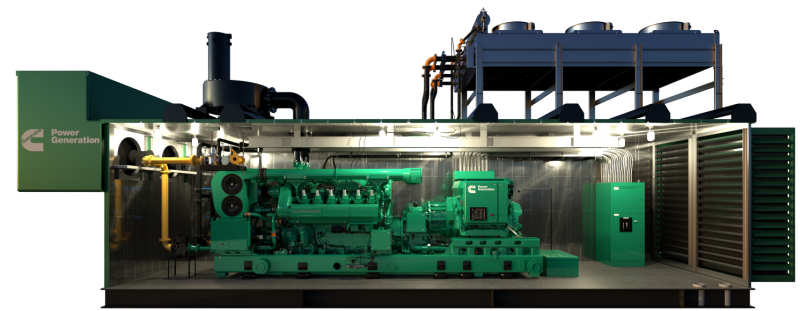
The utilization of backup power varies significantly across the natural gas network. Portable generators and battery systems are sometimes employed at smaller compressor stations, while larger facilities may have more hardy, permanent backup generators capable of maintaining critical operations.
During extended outages, like those experienced during California’s wildfire seasons, these backup systems are essential in keeping natural gas flowing.
Preparing for the Unexpected: How Can Households Stay Safe and Warm?

Households can take proactive steps to ensure they stay safe and maintain some level of comfort during unexpected gas or power outages. Here are some actionable tips for homeowners:
- Emergency Kit Preparation: It is crucial to have an emergency kit ready that includes a battery-operated radio, flashlights or battery-operated lamps, extra batteries, essential documents, bottled water, non-perishable food, and a first-aid kit.
- Appliance Management: In the event of a blackout, turn off and unplug all electrical appliances, particularly those with heating elements, to prevent damage from power surges when electricity is restored. Keep one light turned on so you’ll be aware when the power comes back.
- Stay Informed: Keep your mobile devices charged and have a traditional landline if possible, as cordless phones won’t work without power. Use your phone or battery-powered radio to listen for updates from your local station.
- Check Your Neighbors: If it’s safe, check on neighbors who may need help, such as older adults or those with disabilities.
- Heat and Light: Dress in layers to conserve body heat and wear a hat indoors to reduce heat loss. Keep doors and windows closed to keep warmth. Use LED torches or lanterns for light instead of candles to minimize fire hazards. If you must use candles, place them away from flammable materials and never leave them unattended.
- Food Safety: If your refrigerator is off, try to keep the door closed as much as possible to maintain the temperature. If the food inside is still cold to the touch, it is generally safe to use. Use coolers with ice packs to extend the cooling period of perishables. Opt for non-perishable food items that do not require refrigeration.
- Cooking Alternatives: If you have no electricity but still have gas, you can use your stovetop for cooking. Otherwise, prepare food with a barbecue outdoors—never indoors due to the risk of carbon monoxide poisoning. Also, consider ready-to-eat meals and snacks that don’t require cooking.
- Water Heating: For washing and bathing without hot water, heat water using a stovetop. Otherwise, consider using a barbecue to heat water outdoors. Always handle hot water with care to avoid burns.
- Child Care: Maintain hygiene by using soap and water. In the absence of hot water, non-soap-based baby wipes can be a safe alternative for cleaning. For baby bottles, use sterilizing solutions or the dishwasher if electricity is available.
- Emergency Plan: Have an emergency response plan that every household member is familiar with. Include important contact numbers, medical information, and an understanding of where supplies are located.
Emergency Products
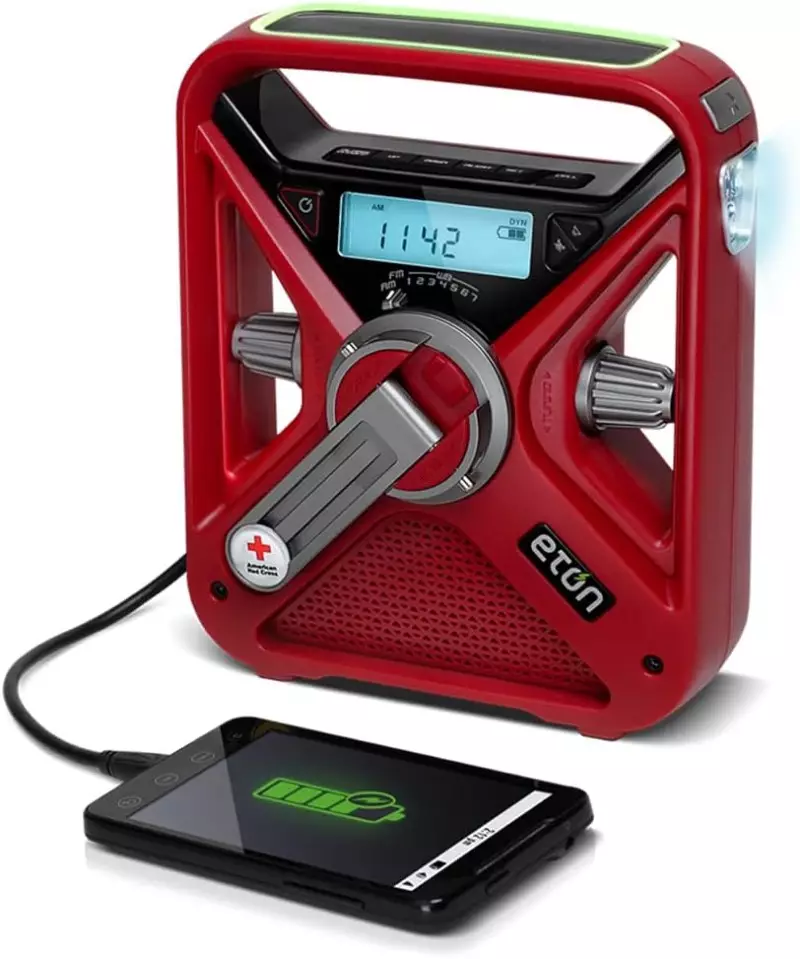
- Consider investing in a quality portable power station, like the Goal Zero Yeti, which can charge devices and run small appliances.
- A reliable hand-crank or solar-powered radio can keep you informed, such as the Eton FRX3+ Emergency NOAA Weather Radio.
- Purchase LED lanterns and flashlights such as the Fenix PD36R 1600 Flashlight and Streamlight 44931 Siege 540-Lumen Lantern, which provide long-lasting illumination without the risk of fire.
- For food storage, high-quality coolers or portable refrigerators such as the YETI Hopper Flip 12 Portable Soft Cooler can keep perishables safe for extended periods.
- For cooking, portable stoves like the Coleman Gas Camping Stove are convenient, but always use them in well-ventilated areas or outdoors.
Key Takeaways
Both consumers and providers must prioritize preparedness to mitigate the impacts of grid outages on natural gas services. By planning ahead, maintaining emergency kits, and adopting proactive measures, we can ensure the safety and continuity of essential services during unexpected disruptions.
References:
- Better Health Channel: Emergencies – Coping Without Gas or Electricity
- Carnegie Mellon University: Engineering and Public Policy
- Houston Chronicle: Analysis Reveals Nearly 200 Died in Texas Cold Storm and Blackouts, Almost Double the Official Count
- Hunker: Do Gas Water Heaters Use Electricity?
- OSTI.GOV: Feasibility of Using Measurements of Internal Components of Tankless Water Heaters for Field Monitoring of Energy and Water Use
- Reviewed – USA Today: Everything You Need to Know About Gas Stoves, Explained
- Science 2.0: The Energy Grid Is Too Reliant on Electric Compressors for Natural Gas Pipelines
- ScienceDirect: How Vulnerable Are US Natural Gas Pipelines to Electric Outages?


